

Beyond the Prompt - Design Practice in the age of AI

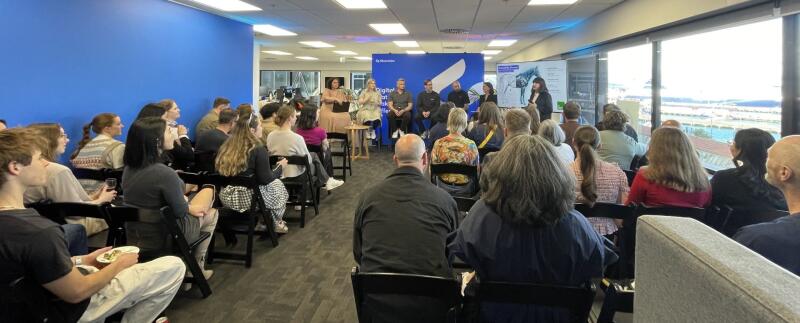
Last week, Silverstripe welcomed the creative community to our Pōneke Wellington office for The Digital Forum 2026: Beyond the Prompt, presented by the Designers Institute of New Zealand(opens in new tab) (DINZ). A warm shoutout to Cathy Veninga FDINZ, CEO of DINZ, who opened the event and continues to do fantastic work organising forums that bring the industry together for vital kōrero.
With candid questions from Natasha Lampard, Marketing Manager at Silverstripe, and lively participation from attendees across the room, the evening moved well past standard tech optimism. Instead, the discussion focused on the real tensions, ethical responsibilities, and practical realities reshaping design.
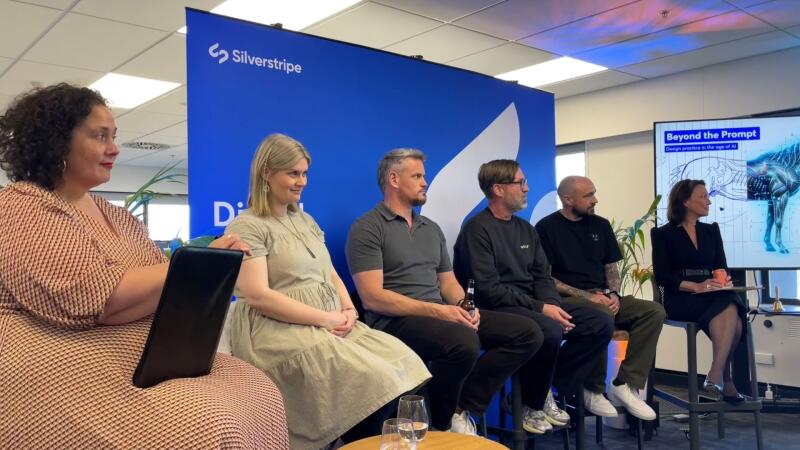
The panel featured:
- Tui Te Hau, Founder of Bird Island
- Dani Wright, Design Director at Effect
- Kris Sowersby FDINZ, Founder of Klim Type Foundry
- Mark Dalton FDINZ, Creative Director at VML
- James Ford PDINZ, Creative Director at Silverstripe
The irreplaceable craft of the design journey
Generative AI makes it possible to produce logos, layouts, and interface copy in seconds. Yet the room shared a clear perspective: an automated system cannot experience the journey that gives design its sincerity and value.
Design is not just the final visual output. It is the research, the testing of ideas with real audiences, the emotional resonance, and the storytelling that connects people to an idea. While automated tools offer clear productivity gains, relying on them as a shortcut risks separating how things are made from why they matter.
There was a shared concern that new generations of designers could miss out on the formative friction of the creative process. Walking through that journey step by step is how practitioners develop critical thinking, creative resilience, and an authentic point of view.
Human presence and the value of partnership
Technology can simulate styles, but it cannot replace genuine human interaction. When collaborating with clients and communities, trust is built through shared empathy, active listening, and the subtle nuances of body language.
The true value of a creative partnership lies in navigating complex trade-offs, understanding organisational context, and taking shared accountability for outcomes. As practitioners and leaders, we also have the privilege to choose what we buy, which systems we adopt, and how we apply them. Recognising that choice allows teams to use tools responsibly rather than defaulting to automated convenience.
Sovereignty, boundaries, and critical thinking
The discussion also tackled the governance and ethical guardrails required when working with emerging tech. Using AI can become addictive in its ease, making clear organisational policies and intentional boundaries essential.
Attendees and panellists highlighted the need to connect work back to its original source, particularly around data sovereignty, cultural integrity, and intellectual property. Protecting cultural knowledge and authentic identity in digital spaces demands deliberate care and respect.
The clear takeaway from the evening is that automated production makes human judgment more valuable, not less. By pairing curiosity with critical thinking, ethical care, and authentic relationships, design practice will continue to deliver work that genuinely makes a difference.
Latest news

Did anything spark your interest?
Have you got an awesome new idea or project that you want to talk about? We're here to talk you through it.